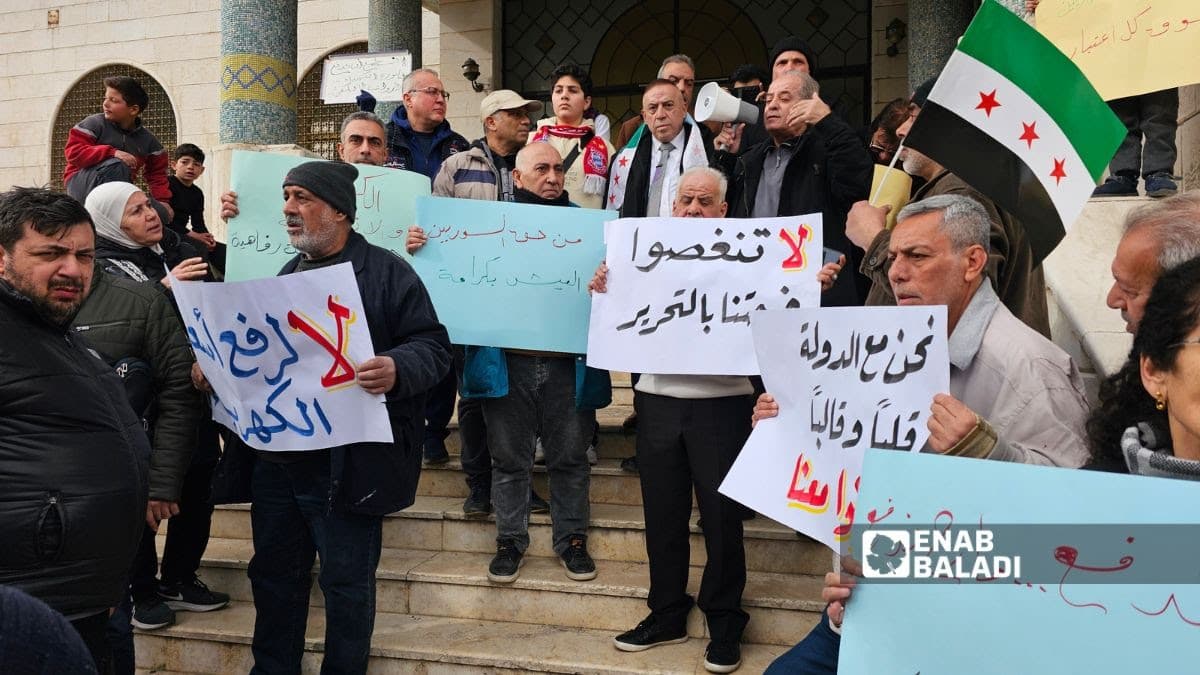
Tariff Hike Drives Syrians to Cut Food, Accrue Debt, Study Finds
A field study by the Syria Polls platform shows recent electricity tariff increases have pushed energy costs above other monthly household expenses and forced families to reduce essential sp...
A field study by the Syria Polls platform shows recent electricity tariff increases have pushed energy costs above other monthly household expenses and forced families to reduce essential spending. Of 500 recruited respondents, 201 completed a digitally filtered survey; many reported monthly bills that previously ranged from 1,000–200,000 Syrian pounds have now exceeded 3 million, with some invoices reaching 4–5 million. 156 respondents described the rise as unreasonable, and nearly half said they cut the number, quantity or quality of meals, reduced use of heaters, water heaters, cooking devices and lighting, or took on debt to pay bills.
The study's authors and experts called for pricing that reflects incomes and for innovative financing or alternative energy options, noting the tiered system—meant to protect low consumers and reduce state losses—is clashing with collapsed purchasing power. Analysts pointed out that the minimum wage now buys only about 707 kWh under the new rates and that increases of up to 800% have not come with improved service, which remains rationed. Syria Polls said it provided interactive data to relevant ministries but received no response, and urged evidence-based policy changes to mitigate growing social and economic harm, as reported by Enab Baladi