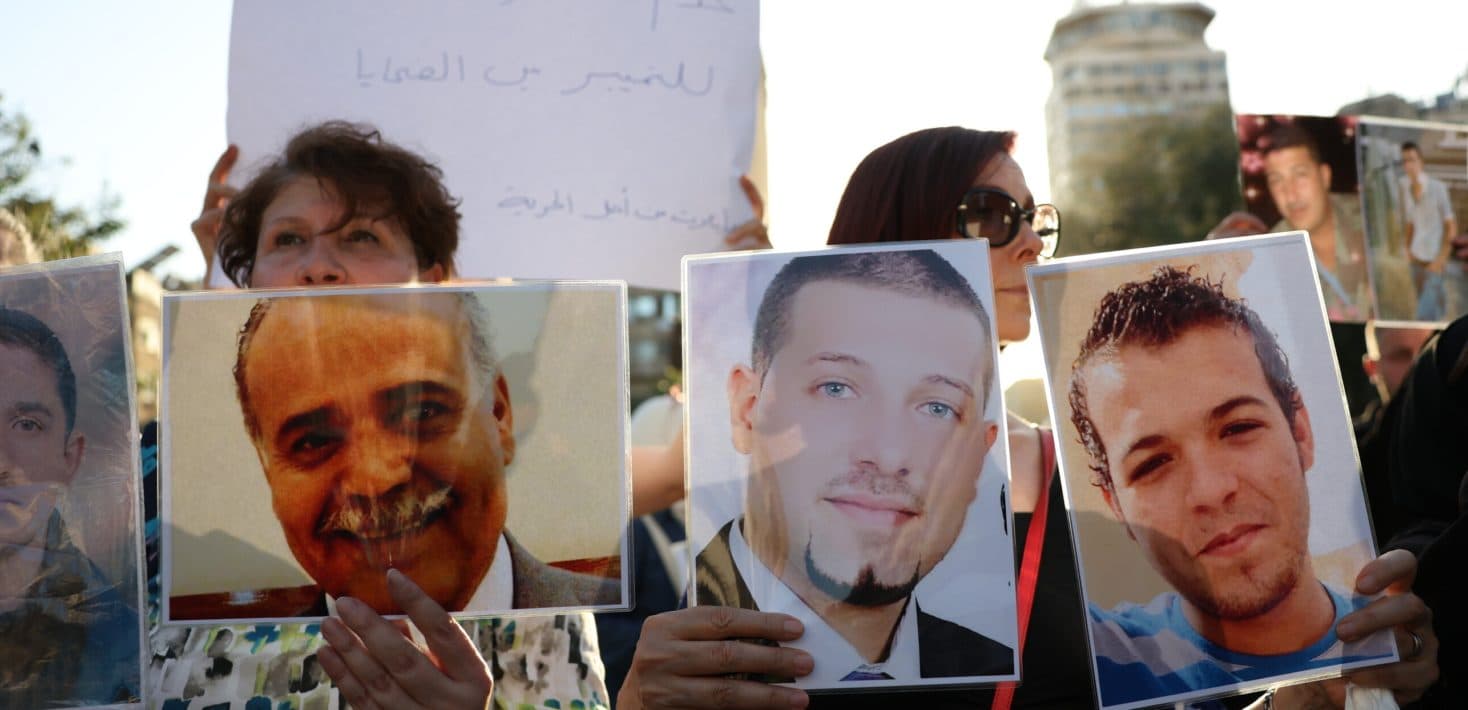
Syria risks a cycle of revenge as public demand for justice returns
Syria faces a fragile transition as long-suppressed demands for justice re-emerge across society. Analysts warn that without credible institutions to investigate and prosecute war crimes, enf...
Syria faces a fragile transition as long-suppressed demands for justice re-emerge across society. Analysts warn that without credible institutions to investigate and prosecute war crimes, enforced disappearances, torture and theft, legitimate anger may spill into vengeance. Political commentator Issal Laham cautions that street mobilization and local reprisals could produce a social logic where individuals and groups act as judges and executioners; Fadel Abdulghai of the Syrian Network for Human Rights argues that such acts are illegal but politically intelligible, reflecting institutional failure when suspected perpetrators move freely.
To prevent a descent from justice into retaliation, the piece urges a multi-track transitional justice program: independent investigations and prosecutions, vetting and asset scrutiny, witness protection, reparations, institutional reform, and safe public dialogue that distinguishes individual criminal responsibility from collective blame. The state must both curb unlawful reprisals and demonstrate that accountability is neither selective nor indefinitely postponed — because stability and the rule of law depend on each other. A credible, transparent, and inclusive process that turns public anger into lawful accountability is presented as the only viable path forward, as reported by The Syrian Observer