Syria casts itself as neutral transit hub as war reshapes Gulf oil routes
Syria positions itself as a safe corridor amid regional conflict Syria’s new authorities have portrayed the country as a neutral and reliable transit route after U.S. and Israeli strikes on Iran ignit...
Syria positions itself as a safe corridor amid regional conflict
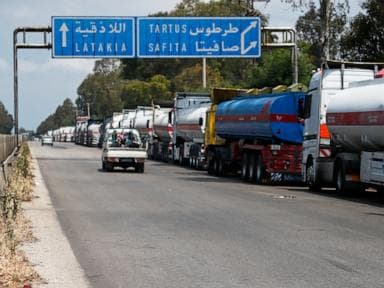
Syria’s new authorities have portrayed the country as a neutral and reliable transit route after U.S. and Israeli strikes on Iran ignited wider fighting and disrupted shipments through the Strait of Hormuz. With the strait effectively closed, Iraqi crude is being trucked across the border into Syria and loaded at the Baniyas port for export to Europe; a long-shuttered crossing between northern Iraq and Syria has also reopened to ease overland flows. The government, installed after President Bashar al-Assad was ousted in late 2024, has used its neutrality to rebuild ties with Arab and Western states and to present Damascus as an alternative artery for regional energy and trade.
Gains and limits: diplomatic leverage but economic strains remain
While staying out of direct combat has given Syria a diplomatic opening, the country still faces strategic and economic constraints. Syrian territory has occasionally been overflown or struck amid the wider war, and longstanding ties with Iran and allied militias complicate relations with rival powers. Economists and analysts warn that Gulf states will have fewer resources for Syrian reconstruction as they focus on their own security, and major infrastructure projects linking the Gulf to Europe will take years to materialize, leaving ordinary Syrians to contend with persistent economic hardship. as reported by AP News
This story has also been reported by: Reuters, The Guardian, ABC News, Enab Baladi