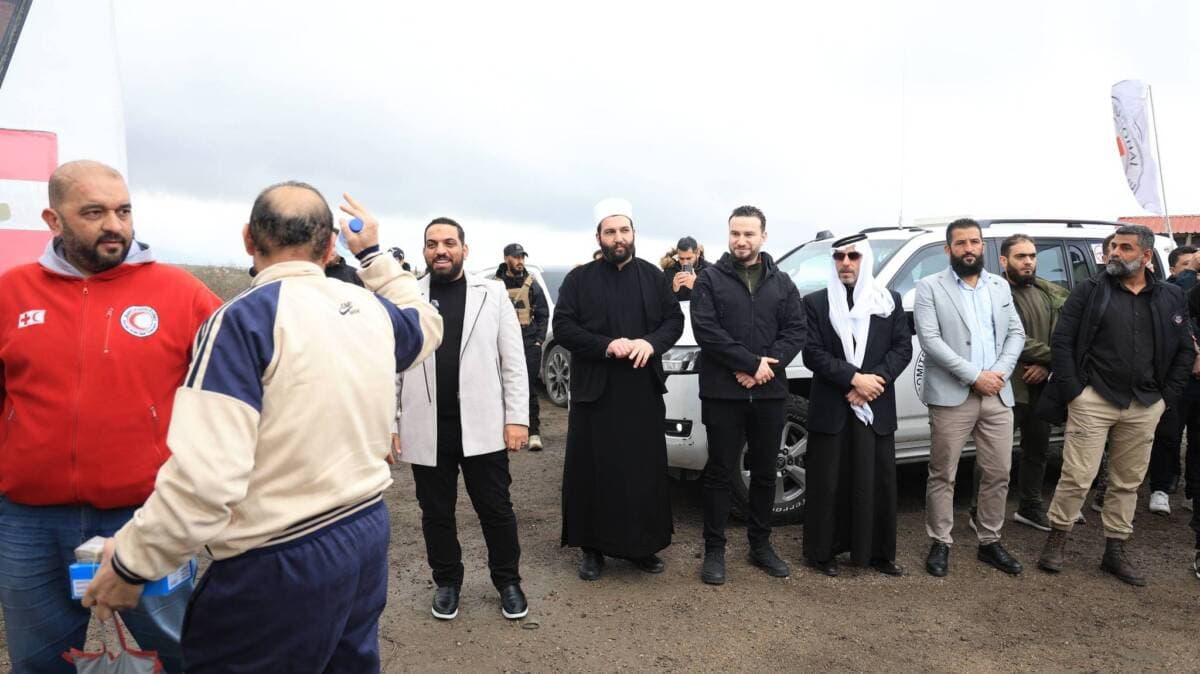
Prisoner swap creates tentative negotiating channel between Damascus and Suwayda
A US-mediated prisoner exchange at the end of February — in which Damascus freed 61 detainees from Suwayda and the province's National Guard released 25 captives — broke an eight-month impass...
A US-mediated prisoner exchange at the end of February — in which Damascus freed 61 detainees from Suwayda and the province's National Guard released 25 captives — broke an eight-month impasse and has opened what some local actors describe as a nascent negotiating channel. The deal, brokered with the consent of Druze spiritual leader Sheikh Hikmat al-Hijri, fell short of freeing all prisoners (the National Guard had initially agreed to release 30) but signaled a shift from outright refusal to engage toward at least limited talks. Local pressure to determine the fate of detained relatives, alongside international influences from the US, Israel and Jordan, helped push factions to negotiate, though observers warn many actors on both sides remain opposed to a full settlement.
Deep divisions within Suwayda — over who represents the province, struggles between traditional leaders such as Emir Hassan al-Atrash and ascendant figures around al-Hijri, and incidents like the brief detention of Sheikh Yahya al-Hajjar — complicate prospects for a durable agreement. New civil initiatives such as the Third Current seek a middle path, while analysts and local journalists differ on whether the swap marks the start of a gradual political process, a tactical de-escalation, or merely a temporary freeze. Security and academic experts outline several possible outcomes — from relative stability and integration, to intermittent flare-ups, to a partial settlement that leaves core governance disputes unresolved — underscoring that trust, representation and guarantees on local administration remain the key obstacles to a lasting resolution, as reported by Syria Direct