
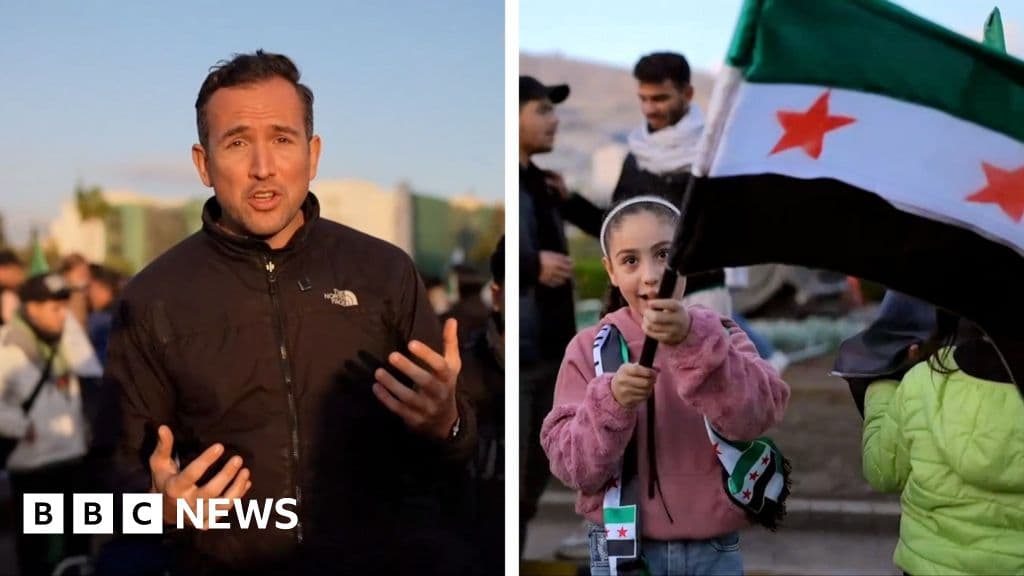
One year after Assad's exit, Syria reels from destruction and sectarian bloodshed
One year since Assad's fall
One year after Bashar al-Assad stepped down on 8 December 2024 and fled to Russia, Syria is still confronting the vast human and physical toll left by 13 years of civil war. The interim government has pledged equal protection for all citizens, but sectarian violence persists: hundreds from Alawite and Druze communities have been killed in attacks, some attributed to members of former government forces. Life in Damascus is marked by a mixture of relief, grief and uncertainty as people assess the losses and the slow pace of normalisation, the BBC's correspondent reports.
Humanitarian crisis and regional ripples
The humanitarian situation is acute: the UN Development Programme estimates more than 80% of buildings across the country are damaged or destroyed, while a UN humanitarian chief warned that about 14,000 babies could die within 48 hours if urgent aid does not arrive. Wider regional developments — including ceasefire-linked prisoner releases and ongoing Israel-Gaza tensions — continue to affect prospects for stability and reconstruction in Syria, complicating aid flows and political progress. Syrians spoke to the BBC about daily hardships and the emotional weight of the transition as they try to rebuild, as reported by BBC