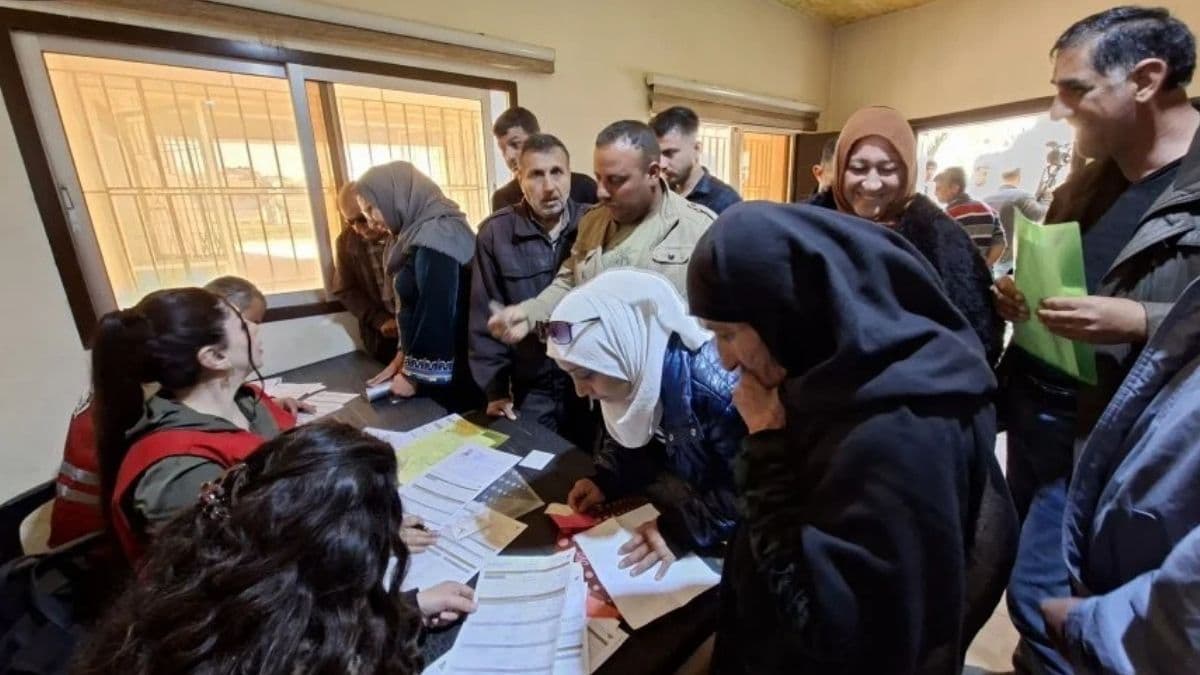
Hasakah Leads with 2,772 Family Applications in Decree No.13 Citizenship Drive
Syria’s Ministry of Interior said committees received 2,892 family applications under Decree No. 13 of 2026, covering 10,516 people across several governorates. Hasakah accounted for the vast...
Syria’s Ministry of Interior said committees received 2,892 family applications under Decree No. 13 of 2026, covering 10,516 people across several governorates. Hasakah accounted for the vast majority with 2,772 family applications, followed by Aleppo (75) and Damascus (32), with the remainder split between Raqqa and Deir Ezzor. The registration phase, which began on April 6, was extended after the May 6 deadline for centers in Hasakah, Qamishli and al-Jawadiyah. Authorities now plan a verification stage of interviews conducted by committees including a judicial counselor, a civil affairs officer and a local notable to confirm names, lineage and other data; expatriates may be registered by a first-degree relative and complete procedures later in Damascus.
Registrants were asked to provide supporting documents such as utility bills, school records, property papers, lineage proof or earlier “unregistered” status decisions to validate residence and identity. Officials reported an initial surge in turnout followed by a slowdown as many completed their files; reception centers operated across Hasakah (including Hasakah, Qamishli, al-Jawadiyah, al-Malikiyah and al-Darbasiyah) and in Aleppo, Raqqa, Deir Ezzor and Damascus. Decree No. 13, issued January 16 by President Ahmed al-Sharaa, cancels exceptional measures tied to the 1962 census, affirms Kurdish cultural and linguistic rights (including recognising Kurdish as a national language) and criminalises ethnic or linguistic discrimination. The citizenship process will move from registration to interviews, then review by a higher committee and final issuance of civil registration documents; officials praised the coordination of civil affairs staff, Red Crescent volunteers and the Autonomous Administration in completing the first stage as reported by Enab Baladi