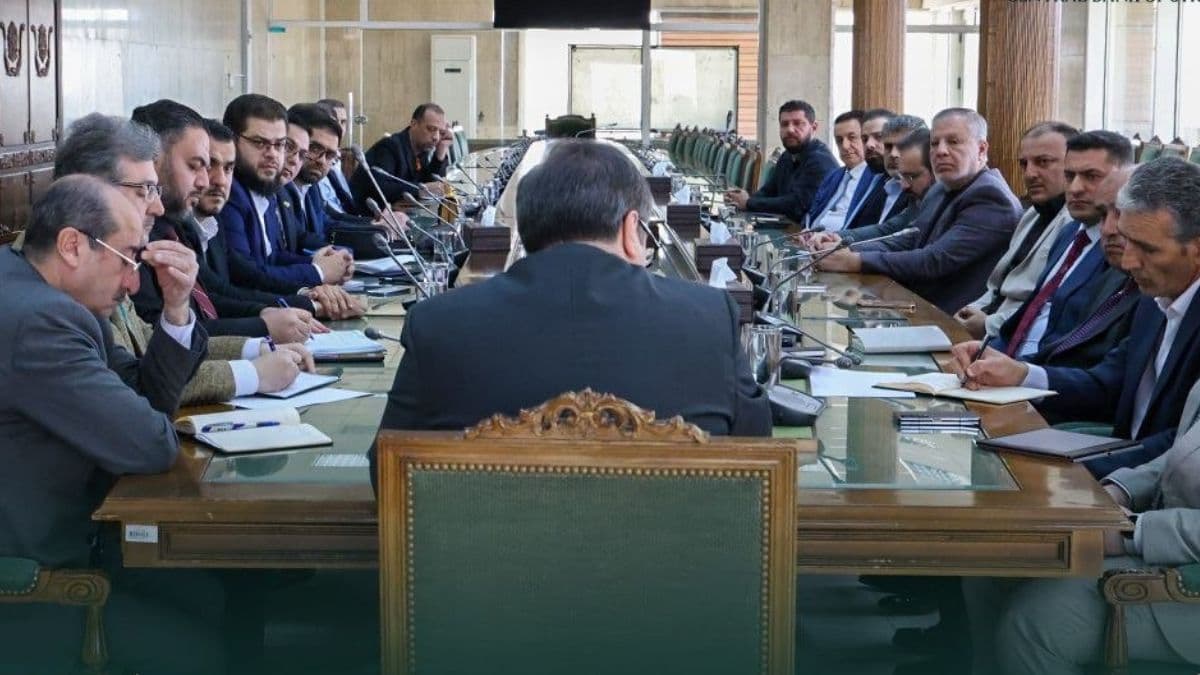
Central Bank ramps up currency swap, bank powers and Visa/Mastercard ties
Key developments The Central Bank of Syria has accelerated three parallel reform tracks to stabilise the pound: speeding up a national currency replacement, broadening the operational powers of banks,...
Key developments
The Central Bank of Syria has accelerated three parallel reform tracks to stabilise the pound: speeding up a national currency replacement, broadening the operational powers of banks, and establishing ties with international payment networks. Officials say the replacement of old banknotes has moved faster — the swap rate rose from about 35% to roughly 55% of an estimated old money supply of 42 trillion Syrian pounds — with old notes being destroyed under supervision. The bank has also moved to create a formal exchange association to regulate exchange companies and curb unlicensed, parallel-market activity, stressing it seeks to stabilise the exchange rate without injecting foreign currency into markets.
Banking and payments reform
Authorities are studying measures to allow operating banks to perform more foreign-exchange and transfer functions currently done by licensed exchange houses, aiming to broaden official channels and reduce reliance on the black market. The Central Bank says it has settled some external banking relationships and is preparing to reactivate SWIFT links; it is also working to enable Mastercard and Visa connections through Syrian banks, expected by the end of May, to expand electronic payments and ease transfers for traders and Syrians abroad. If enacted, these steps would reshape banks into more integrated financial service centres and support the wider monetary stability effort, as reported by Enab Baladi